


Signs of Healthy Gums
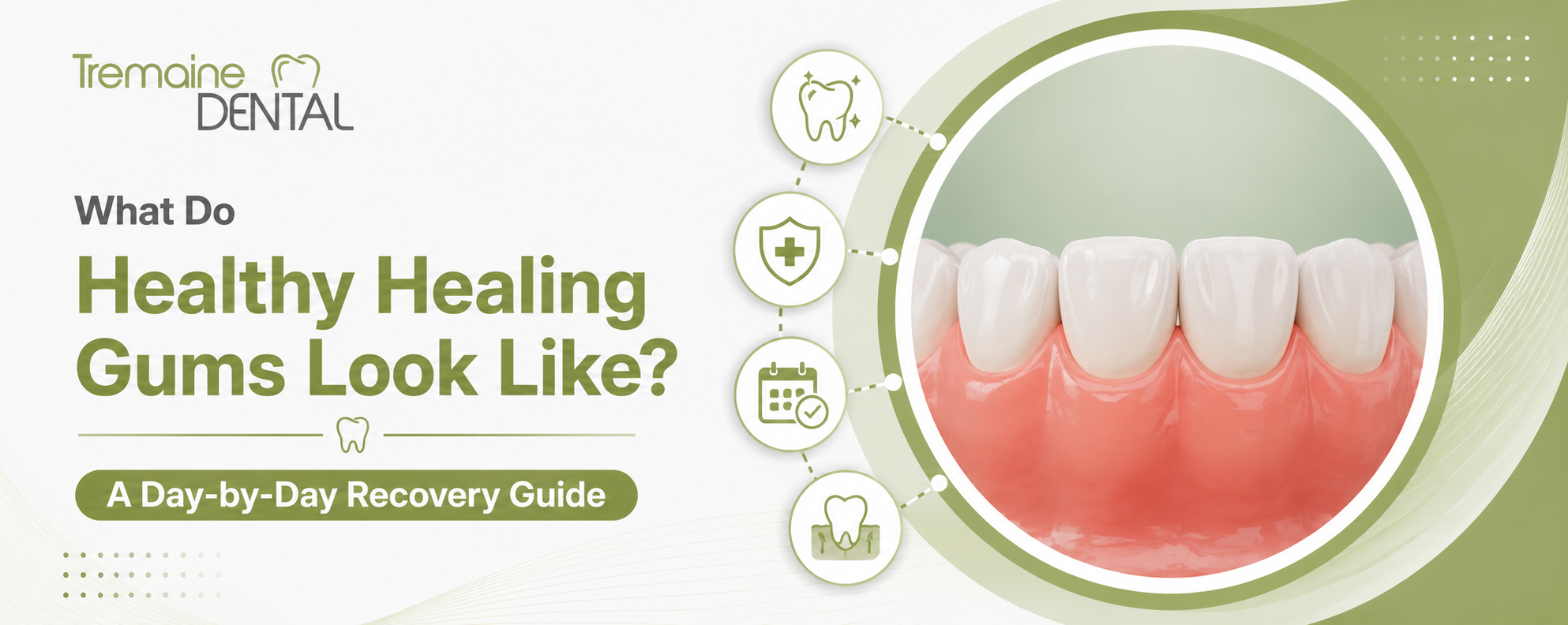
Healthy gums are firm, pink or naturally pigmented, fit snugly around your teeth, and do not bleed during brushing or flossing. As gums heal, swelling gradually decreases, redness fades, sensitivity improves, and the gum tissue becomes tighter around the teeth. Most mild gum irritation begins improving within a few days with proper oral hygiene, while complete healing may take several weeks depending on the underlying condition.
Quick Answer
Healthy gums don’t become healthy overnight. The healing process is gradual, and daily brushing, flossing, balanced nutrition, and regular dental visits all contribute to stronger, healthier gums over time.
Why Healthy Gums Matter More Than You Think
Most people judge oral health by looking at their teeth, but your gums play an equally important role. Healthy gums provide a protective seal around every tooth, supporting the periodontal ligament and the underlying jawbone while helping prevent harmful bacteria from reaching deeper tissues.
When plaque and oral bacteria remain on the teeth for too long, they trigger inflammation. If left untreated, this inflammation may progress from gingivitis to periodontal disease, potentially leading to gum recession, bone loss, and tooth mobility.
Healthy gums help:
- Protect tooth roots
- Reduce plaque accumulation
- Support healthy gum tissue
- Maintain fresh breath
- Improve chewing comfort
- Lower the risk of gum disease
- Preserve healthy teeth and gums throughout life
Maintaining healthy gums is not only important for your smile but also for your long-term oral health.
If it has been a while since your last check-up, our Family Dentistry team in Milton can assess your gum health as part of a comprehensive exam and help you get back on track.
What Healthy Gums Look Like
Healthy gums usually have several noticeable characteristics.
Healthy Gums | Unhealthy Gums |
Firm texture | Soft or swollen |
Pink or naturally pigmented | Bright red or dark red |
No bleeding | Bleeding while brushing |
Tight around teeth | Pulling away from teeth |
Fresh breath | Persistent bad breath |
Comfortable chewing | Pain or tenderness |
Although natural gum color varies among individuals, healthy gum tissue should appear firm and well attached to each tooth.
For a closer look at how gum disease is classified and what dentists watch for, the Canadian Dental Association’s gum disease FAQ is a useful reference.
Day-by-Day Healthy Gum Healing Timeline
Healing depends on the cause of inflammation, your oral hygiene habits, and your overall health. The following timeline describes how healthy gums often recover after improved oral hygiene or a professional dental cleaning.
Day 1: The Healing Process Begins
Following plaque removal, your gums begin responding almost immediately. The immune system starts repairing inflamed tissue while blood flow increases to the affected areas.
You may notice:
- Mild tenderness
- Slight bleeding
- Puffy gum margins
- Sensitivity while brushing
- Minor redness
These symptoms are often temporary and indicate that irritated tissue is beginning to recover.
What’s Happening Inside Your Gums?
During this stage, inflammatory cells begin clearing bacteria from the gum pockets while connective tissue starts repairing microscopic damage caused by plaque buildup.
Patients recovering from a recent Teeth Cleaning appointment often notice these same early signs of healthy healing gums.
Day 2–3: Swelling Starts to Improve
Within a few days, many people begin noticing visible improvements.
Signs of healthy healing include:
- Less redness
- Reduced inflammation
- Decreased bleeding
- Better brushing comfort
- Improved breath freshness
Saliva continues washing away bacteria while proper brushing prevents new plaque from accumulating.
Healthy gum tissue gradually replaces inflamed tissue during this period.
Day 4–5: Stronger Gum Attachment
By the middle of the first week, many gums appear firmer.
You may notice:
- Pinker gums
- Better definition around each tooth
- Less tenderness
- Reduced gum puffiness
- Improved chewing comfort
This stage represents one of the most noticeable improvements in the healing process.
Day 6–7: Healthy Gums Become More Stable
At the end of the first week, inflammation continues decreasing.
Healthy gums typically become:
- Firm
- Comfortable
- Smooth
- Less sensitive
- Resistant to bleeding
Although deeper tissues continue healing beneath the surface, the visible appearance usually improves significantly.
If tenderness or bleeding has not eased by this point, it may be worth having Tremaine Dental’s Emergency Dentistry team take a closer look.
Week 2: Healthy Gum Tissue Continues Repairing
Healing doesn’t stop after the first week.
By week two, many people notice:
- Strong gums
- Minimal bleeding
- Improved gum contour
- Better oral comfort
- Healthier gum color
If plaque control remains consistent, healthy gum tissue continues strengthening around each tooth.
Consistent home care paired with regular professional visits is the best way to keep healthy gums on track — our New Patients page has more information on booking your next appointment.
Signs Your Gums Are Healing Properly
One of the most common questions people ask is whether their gums are healing normally.
Positive signs include:
✔ Reduced bleeding
✔ Less swelling
✔ Pink or naturally pigmented gums
✔ Firmer texture
✔ Comfortable flossing
✔ Fresher breath
✔ Tight attachment around teeth
These improvements indicate that inflammation is resolving and healthy gums are returning.
Common Signs Your Gums Need More Attention
Even while healing, certain symptoms should not be ignored.
Watch for:
- Persistent bleeding after two weeks
- Severe swelling
- Gum recession
- Pus near the gumline
- Loose teeth
- Constant bad breath
- Pain that becomes worse instead of better
These symptoms may indicate gingivitis or periodontal disease and should be evaluated by a dental professional.
Left untreated, some of these symptoms can progress to the point where Root Canal Treatment or Teeth Extractions become necessary, which is why early evaluation matters.
Quick Takeaway
Healthy gums heal gradually—not instantly. Most people notice improvements within the first week, but maintaining healthy gum tissue depends on consistent brushing, flossing, plaque control, proper nutrition, and regular dental checkups. Developing strong gums is an ongoing process rather than a one-time event.
Foods That Support Healthy Gums
Your diet plays an important role in maintaining healthy gums. While brushing and flossing remove plaque and food debris, the nutrients you consume help support the body’s natural healing process and maintain healthy gum tissue.
Nutrient | Benefits for Healthy Gums | Food Sources |
Vitamin C | Supports collagen production and tissue repair | Citrus fruits, strawberries, bell peppers, kiwi |
Calcium | Strengthens teeth and jawbone | Milk, yogurt, cheese, leafy greens |
Vitamin D | Improves calcium absorption | Fatty fish, fortified dairy, eggs |
Omega-3 Fatty Acids | Helps support a healthy inflammatory response | Salmon, walnuts, flaxseed |
Water | Promotes saliva production and washes away bacteria | Plain drinking water |
A balanced diet, combined with daily oral hygiene, supports healthy teeth and gums while reducing the likelihood of plaque buildup.
Good nutrition matters at every age — our Children’s Dentistry team also encourages healthy eating habits early on to help protect young gums as they develop.
Daily Habits That Help Build Strong Gums
Healthy gums develop through consistent daily care rather than occasional treatments.
Brush Gently Twice a Day
Use a soft-bristled toothbrush and fluoride toothpaste. Gentle circular motions effectively remove plaque without damaging delicate gum tissue.
Clean Between Your Teeth Daily
Floss or interdental cleaners remove plaque from areas a toothbrush cannot reach. This habit is essential for maintaining healthy gum tissue.
Stay Hydrated
Saliva naturally helps neutralize acids and reduce harmful oral bacteria. Drinking water throughout the day supports this protective function.
Eat a Balanced Diet
Limiting sugary foods and choosing nutrient-rich meals helps protect both your teeth and gums.
Schedule Regular Dental Visits
Routine examinations and professional cleanings help remove tartar that cannot be removed by brushing alone. Preventive dental care supports long-term gum health.
Health Canada’s guidance on caring for your teeth and mouth outlines similar daily habits for maintaining healthy gums throughout life.
Healthy Gums vs Gingivitis vs Periodontal Disease
Understanding the difference between normal gum health and disease helps you recognize when professional care may be needed.
Feature | Healthy Gums | Gingivitis | Periodontal Disease |
Color | Pink or naturally pigmented | Red | Dark red or purple |
Bleeding | Rare | Common during brushing | Frequent |
Swelling | None | Mild to moderate | Moderate to severe |
Pain | Usually none | Mild tenderness | May become painful |
Tooth Support | Stable | Usually stable | May become loose |
Bone Loss | No | No | Possible |
Early gingivitis is often reversible with improved oral hygiene and professional care. Advanced periodontal disease requires professional treatment to help manage the condition and protect supporting tissues.
The Ontario Dental Association’s overview of gum disease explains in more detail how gingivitis can progress to periodontitis when it isn’t addressed.
Common Mistakes That Can Slow Gum Healing
Even healthy habits can be less effective if certain mistakes are made regularly.
Brushing Too Aggressively
Applying excessive pressure may irritate the gums and contribute to gum recession.
Skipping Flossing
Plaque between teeth continues accumulating if these areas are not cleaned daily.
Smoking or Tobacco Use
Tobacco reduces blood flow to the gums, slowing the body’s natural healing response.
Ignoring Bleeding Gums
Bleeding should never be considered normal. Persistent bleeding may indicate gum inflammation that requires evaluation.
Missing Regular Dental Checkups
Routine dental visits allow early detection of gingivitis, tartar buildup, gum recession, and other oral health concerns before they become more advanced.
Patients wearing Dentures or undergoing treatment with Orthodontic Braces should pay especially close attention to these habits, since both can affect gum health in different ways.
Frequently Asked Questions (FAQ)
Q1: What do healthy gums look like?
Healthy gums are firm, fit closely around each tooth, and appear pink or naturally pigmented. They should not bleed during routine brushing or flossing.
Q2: Can healthy gums prevent gum disease?
Healthy gums reduce the risk of gum disease, but maintaining them requires consistent plaque removal, balanced nutrition, and routine dental care.
Q3: How can I strengthen my gums naturally?
Daily brushing, flossing, staying hydrated, eating nutrient-rich foods, and avoiding tobacco products all contribute to developing strong gums.
Q4: Are bleeding gums always a sign of gum disease?
Not always. Temporary bleeding may occur when beginning a flossing routine, but persistent bleeding should be evaluated by a dental professional.
Q5: How often should I have my gums checked?
Regular dental examinations allow your dentist to monitor gum health and identify early signs of inflammation before they progress.
About the Author
This article was prepared by a dental content team dedicated to producing accurate, evidence-informed oral health education. Every article is developed using current preventive dentistry principles, clinical guidance, and patient-focused research to help readers make informed decisions about their oral health. The information provided is educational and should not replace personalized advice from a licensed dental professional.
Final Thoughts
Healthy gums are essential for maintaining a healthy smile and supporting your overall oral health. Recognizing the normal stages of healing allows you to monitor your progress while understanding when professional evaluation may be necessary.
Developing healthy gums requires consistent brushing, daily flossing, proper nutrition, and routine dental care. These habits help maintain healthy gum tissue, encourage strong gums, and support healthy teeth and gums for years to come.
If you notice persistent bleeding, swelling, gum recession, or ongoing discomfort, seeking professional dental care promptly can help protect your smile and prevent more advanced oral health concerns.