


Spot Tooth Decay Early
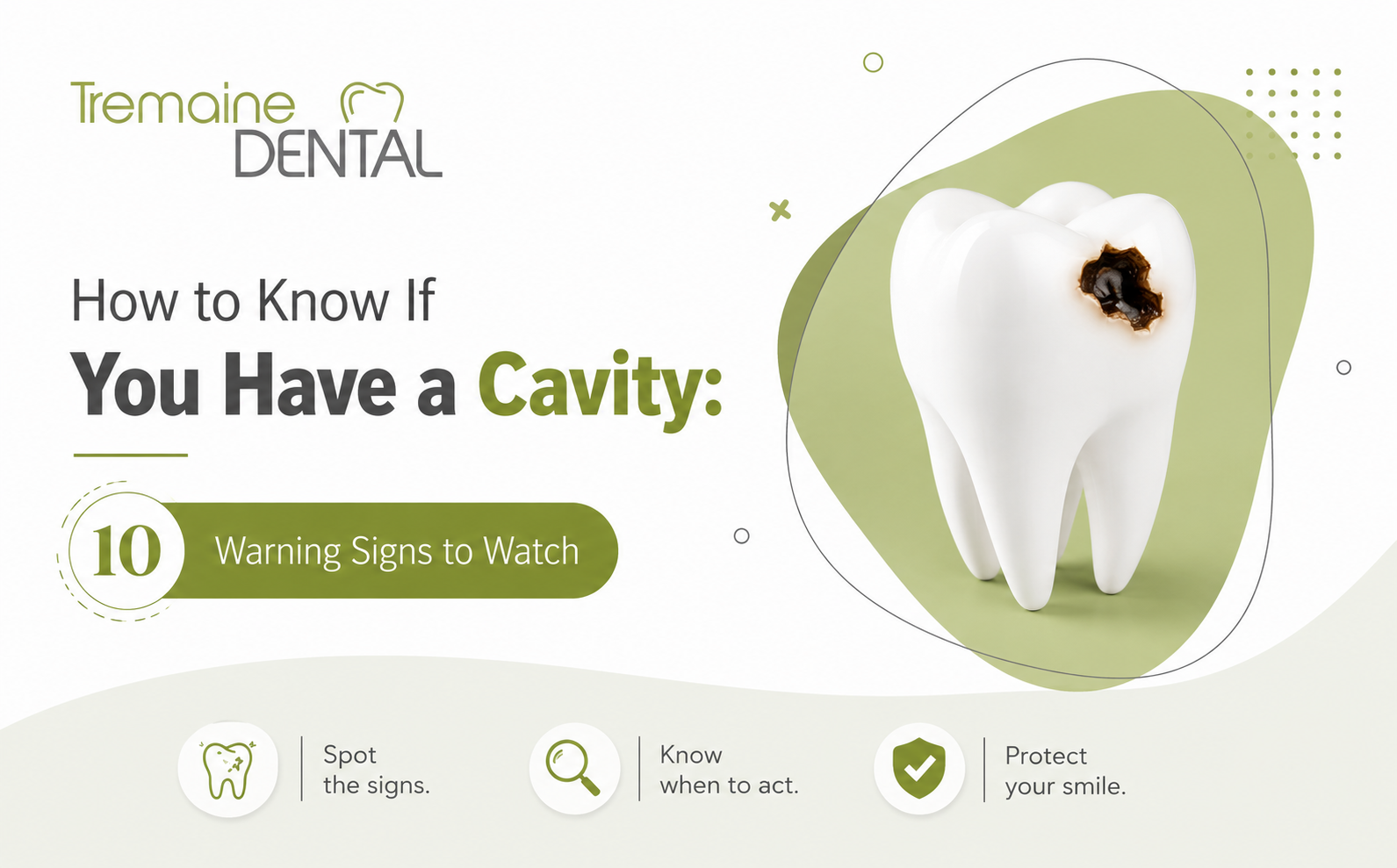
Tooth pain does not always start suddenly. In many cases, cavities begin silently and worsen over time without obvious symptoms. By the time discomfort appears, the damage may already require professional tooth decay treatment. Understanding the early warning signs can help you act quickly, protect your enamel, and avoid serious dental complications.
A cavity, also known as dental caries or tooth decay, develops when bacteria in the mouth produce acids that slowly wear away tooth enamel. Without proper dental cavity treatment, the decay can spread deeper into the tooth and even affect the roots or surrounding gums. According to Health Canada, cavities can cause pain and infection if left untreated, making early detection essential for all Canadians.
In this guide, you will learn the 10 most common warning signs of cavities, what causes them, and how modern tooth decay removal procedures can restore your smile before the condition becomes severe.
What Is a Cavity?
A cavity is a permanently damaged area in the hard surface of a tooth. It usually begins with plaque buildup, sugary foods, poor oral hygiene, or bacteria that attack enamel over time.
If untreated, cavities can lead to:
- Severe toothaches
- Infection
- Tooth sensitivity
- Gum inflammation
- Tooth loss
Professional tooth decay treatment helps stop the spread of bacteria and protects the remaining healthy structure of the tooth. Our family dentistry team in Milton provides comprehensive care for patients of all ages.
10 Warning Signs You May Have a Cavity
1. Tooth Sensitivity to Hot or Cold Foods
One of the earliest signs of tooth decay is sudden sensitivity when eating ice cream, drinking coffee, or consuming hot soup.
If your tooth reacts sharply to temperature changes, it may indicate that enamel erosion has exposed the inner dentin layer. Early dental cavity treatment can prevent the damage from reaching the nerve.
Common sensitivity triggers include:
- Cold drinks
- Hot tea or coffee
- Sweet desserts
- Acidic foods
Ignoring this symptom may eventually require advanced tooth decay removal procedures.
2. Persistent Toothache
A constant or recurring toothache is one of the clearest indicators of a cavity.
Pain can range from mild discomfort to sharp throbbing sensations. Many people delay treatment until the pain becomes unbearable, but immediate tooth decay treatment is recommended once discomfort starts. If your toothache is sudden and severe, our emergency dentistry services are available to help you get fast relief.
Pain may occur:
- While chewing
- Randomly during the day
- At night while sleeping
- After eating sugary foods
3. Visible Holes or Pits in Teeth
As cavities grow, tiny holes or pits may appear on the tooth surface. These openings allow food particles and bacteria to settle deeper inside the tooth.
You may notice:
- Small black dots
- Brown spots
- Cracks or pits
- Rough tooth texture
Dentists typically recommend immediate dental cavity treatment once visible decay appears.
4. Bad Breath That Does Not Go Away
Persistent bad breath can sometimes indicate hidden tooth decay.
Bacteria trapped inside cavities release unpleasant odors. If brushing, flossing, and mouthwash do not eliminate bad breath, a dental examination may reveal underlying decay requiring professional tooth decay removal. Regular professional teeth cleaning can also help eliminate bacteria that contribute to persistent bad breath.
5. Pain While Biting or Chewing
Pain during chewing often means the cavity has weakened the tooth structure.
When pressure is applied, the damaged area becomes sensitive or painful. Delaying tooth decay treatment at this stage can increase the risk of fractures or infections.
6. Tooth Discoloration
Cavities do not always appear black. In many cases, decay starts as:
- White chalky spots
- Yellow discoloration
- Brown staining
These stains may indicate mineral loss within enamel. Early intervention can stop progression before major dental cavity treatment becomes necessary. For discoloration caused by surface staining rather than decay, our cosmetic dentistry services can restore the natural appearance of your smile.
7. Bleeding or Swollen Gums Near a Tooth
Sometimes tooth decay spreads near the gumline and causes irritation.
Symptoms may include:
- Swollen gums
- Tenderness
- Bleeding during brushing
- Redness around a tooth
This often indicates bacteria buildup associated with untreated decay.
8. Sharp Pain After Eating Sweet Foods
Sugar feeds cavity-causing bacteria. If you feel sudden pain after candy, soda, or desserts, your enamel may already be compromised.
This is one of the most commonly searched symptoms online related to tooth decay treatment and early cavity detection.
9. Food Constantly Getting Stuck Between Teeth
If food repeatedly gets trapped in one specific area, a cavity may have formed between the teeth.
Interdental cavities are difficult to detect without X-rays, which is why routine dental visits are important for identifying hidden decay early.
10. No Symptoms at All
One surprising fact about cavities is that many produce no symptoms in the early stages.
This is why routine dental checkups remain essential. Dentists can identify problems before pain begins and recommend preventive dental cavity treatment options. The Canadian Dental Association emphasizes that regular dental exams are key to detecting decay at its earliest stage, before symptoms develop.
What Causes Tooth Decay?
Several factors contribute to cavities:
Poor Oral Hygiene
Skipping brushing or flossing allows plaque and bacteria to accumulate.
Sugary Foods and Drinks
Frequent sugar intake increases acid production inside the mouth.
Dry Mouth
Saliva protects teeth naturally. Reduced saliva flow increases cavity risk.
Acidic Foods
Citrus drinks and soda weaken enamel over time.
Smoking
Tobacco products increase plaque buildup and gum disease risk. Our oral cancer screening service can help identify tobacco-related oral health concerns early.
Stages of Tooth Decay
Understanding the stages helps explain why early tooth decay treatment matters.
Stage 1: Enamel Demineralization
White spots appear as minerals leave the enamel.
Stage 2: Enamel Decay
Small cavities begin forming.
Stage 3: Dentin Damage
Decay spreads deeper, causing sensitivity and pain.
Stage 4: Pulp Infection
The inner nerve becomes infected.
Stage 5: Abscess Formation
Severe infection may develop near the root.
Common Tooth Decay Treatment Options
Modern dentistry offers multiple ways to restore damaged teeth.
Dental Fillings
Fillings remove decay and restore tooth shape.
Crowns
Crowns protect severely weakened teeth. Our dental crown and bridge service restores both function and appearance for badly damaged teeth.
Root Canal Therapy
A root canal removes infected pulp tissue. Learn more about our root canal treatment to understand how this procedure can save a severely decayed tooth.
Fluoride Treatment
Early-stage decay may respond to fluoride remineralization.
Professional Tooth Decay Removal
Dentists use specialized tools to remove bacteria and damaged enamel safely. Patients who experience dental anxiety can benefit from our sedation dentistry options, which ensure a comfortable and stress-free treatment experience.
Tooth Extractions
In severe cases where a tooth cannot be saved, teeth extractions may be necessary to prevent the spread of infection to neighboring teeth.
Before and After Tooth Decay Treatment
Many patients are surprised by the transformation after professional care.
Before Tooth Decay Treatment
- Tooth pain
- Sensitivity
- Visible discoloration
- Difficulty chewing
- Bad breath
After Tooth Decay Treatment
- Pain relief
- Restored chewing ability
- Improved appearance
- Better oral health
- Increased confidence
The difference in before and after tooth decay treatment can be significant, especially when cavities are treated early.
How to Prevent Cavities
Preventive care reduces the need for extensive dental cavity treatment later.
Brush Twice Daily
Use fluoride toothpaste and brush for at least two minutes.
Floss Every Day
Flossing removes plaque between teeth.
Limit Sugar Intake
Reduce sugary snacks and drinks.
Visit the Dentist Regularly
Routine exams help detect early decay. Research from Health Canada shows that regular dental visits have contributed significantly to reducing tooth decay rates across Canada.
Drink More Water
Water helps rinse away bacteria and acids.
When Should You See a Dentist?
Schedule a dental visit immediately if you experience any of the warning signs listed above. Our Milton dental team is ready to help with same-day care. Book your appointment today if you notice:
- Tooth pain
- Sensitivity lasting several days
- Visible holes in teeth
- Swelling
- Persistent bad breath
Early tooth decay treatment can often prevent more complex procedures later.
Frequently Asked Questions (FAQ)
Q1: Can a cavity heal on its own?
Small enamel damage may improve with fluoride care, but true cavities usually require professional dental cavity treatment.
Q2: What does cavity pain feel like?
Cavity pain can feel sharp, throbbing, sensitive, or painful during chewing.
Q3: Is tooth sensitivity always caused by cavities?
Not always. Gum recession and enamel wear can also cause sensitivity, but cavities are a common reason.
Q4: How long does tooth decay treatment take?
Minor fillings may take one appointment, while advanced procedures may require multiple visits.
Q5: What happens if tooth decay is ignored?
Untreated cavities can lead to infections, abscesses, severe pain, and even tooth loss.
About the Author
This article was written by a dental health content specialist focused on patient education, preventive dentistry, and oral health awareness. The goal is to simplify complex dental topics into easy-to-understand information that helps readers make informed decisions about their smile and long-term oral care.
Final Thoughts
Cavities rarely appear overnight. They develop gradually, often starting with subtle signs like sensitivity, discoloration, or occasional discomfort. Recognizing these warning signs early can help you seek professional tooth decay treatment before the condition worsens.
Modern dental cavity treatment options are highly effective and can restore both function and appearance. Whether you are dealing with mild sensitivity or visible damage, early tooth decay removal is the best way to protect your oral health and avoid long-term complications.
Regular dental checkups, proper oral hygiene, and early action remain the most effective strategies for maintaining healthy teeth and preventing future decay. At Tremaine Dental, our experienced team is here to guide you through every step of your tooth decay treatment journey. Contact us today to schedule your appointment and take the first step toward a healthier, pain-free smile.